Prayagraj – As the Mahakumbh 2025 approaches, preparations are in full swing to host millions of pilgrims from India and abroad who will gather along the banks of the sacred Ganga for the grand religious festival. From January 13 to February 26, devotees will take the holy dip, seeking spiritual enlightenment and blessings.
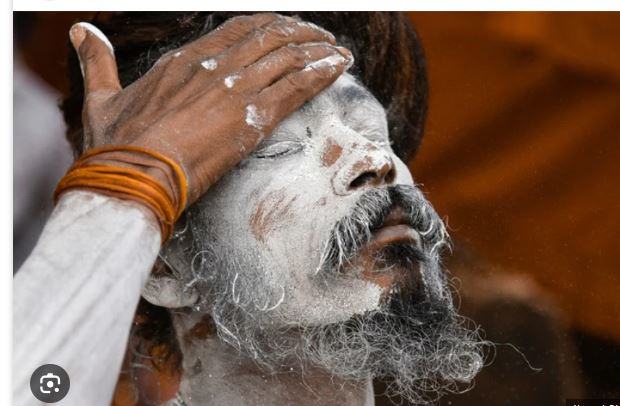
Among the sea of devotees and saints, one group will inevitably capture attention – the mysterious Aghoris. Known for their unconventional practices and deep spiritual connections, the Aghoris have long intrigued and mystified the public. But who are these Aghoris, and what defines their path of devotion?
The Origins of Aghoris
According to ancient texts, the Aghor tradition was established by Lord Shiva himself, revered as the deity of destruction and transformation. Lord Dattatreya, believed to be an incarnation of Shiva, is regarded as the guru of Aghor practices. Aghoris consider themselves staunch devotees of Lord Shiva, embracing the duality of life and death.
The lineage of Aghoris also honors Baba Kinaram, a revered saint born in 1601 in Uttar Pradesh's Chandauli district. Known for his detached nature, Baba Kinaram is said to have traveled extensively before settling in Kashi (Varanasi), where he became a cornerstone of the Aghor tradition. His teachings and miracles continue to inspire Aghoris and spiritual seekers.
Practices Rooted in Mysticism
Aghoris are often associated with rituals performed in cremation grounds, which symbolize the cycle of life and death. Their practices include three main forms of worship:
1. Cremation rituals.
2. Shiva sadhana (devotion to Shiva).
3. Shava sadhana (meditation with a corpse).
Prominent sites for these rituals include Guwahati’s Kamakhya temple, West Bengal’s Tarapith, Maharashtra’s Trimbakeshwar, and Ujjain’s Chakrateerth. Aghoris are known for their meditations involving offerings such as meat and alcohol, which represent detachment from worldly norms.
Despite their austere and often misunderstood lifestyle, Aghoris are believed to have immense spiritual powers and a deep sense of benevolence. Devotees believe that an Aghori's blessings can bring prosperity and protection, while their anger is said to invoke severe consequences.
Folk Tales of Power
One famous tale recounts the encounter between Baba Kinaram and the King of Kashi. As the king passed by Baba’s hermitage, he mocked the Aghori saint. Sensing the insult, Baba commanded the hermitage wall to move ahead of the king’s royal procession, a miraculous event that left the king humbled and seeking Baba’s forgiveness.
Aghoris at Mahakumbh
This Mahakumbh will once again witness the enigmatic presence of Aghoris, whose practices and teachings continue to fascinate the spiritual and curious alike. While their appearance and rituals may seem unusual to many, Aghoris embody a profound philosophy – that divinity exists in all aspects of existence, even those considered taboo.
As pilgrims prepare to converge on Prayagraj for this sacred festival, the Aghoris’ spiritual wisdom and mystery will undoubtedly add a unique dimension to the Mahakumbh experience.