KINSHASA/NAChina is plundering the mineral and forest resources of Africa through illegal mining and tree felling. Chinese companies are plundering gold from the river beds, depriving the African countries of revenue; felling primordial trees to extract valuable timber. African workers employed in these Chinese companies are underpaid and ill-treated.
China is taking advantage of its position as the largest trading partner and creditor of African countries under the Belt and Road Initiative. Under the ‘resource-for-infrastructure’ swap, Chinese banks are offering loans to resource-rich African countries in exchange for the right for exploitation of minerals.
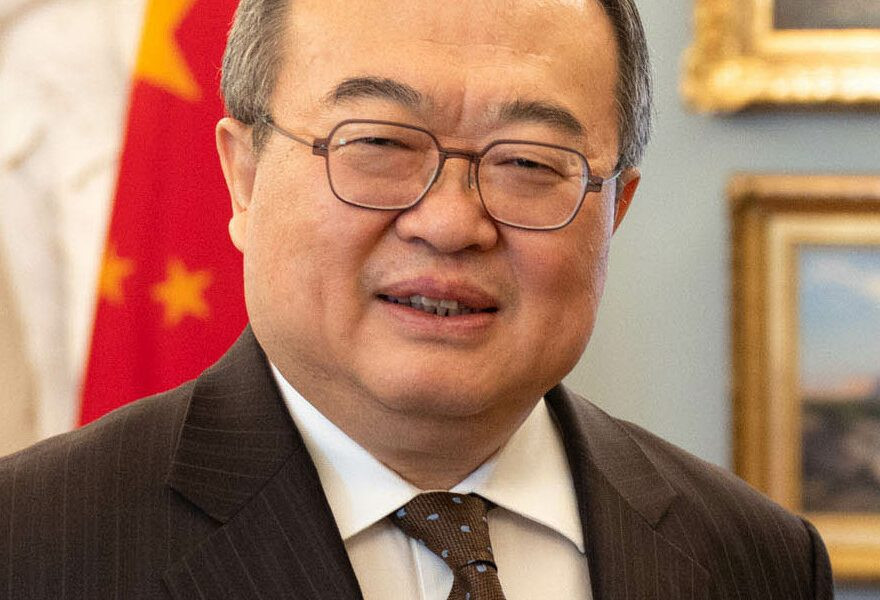
The sentencing last month by a court of the Democratic Republic of Congo (DRC) of three Chinese nationals to seven years in prison for illegal mining has drawn the attention of the world to the Chinese threat to Africa. The suspects were in possession of $400,000 in cash and a substantial amount of gold; an indication of their scale of operation and the involvement of organized networks. “This is only one-tenth of what they have already taken from us,” an irate Governor of South Kivu province Jean Jacque Pursui told reporters after the sentencing. “They didn’t have any official document allowing them to work and without government knowledge.”
Besides the DRC, Nigeria too has cracked down on Chinese nationals engaged in illegal mining activities in recent years. Between 2020 and 2023, a total of 16 Chinese nationals were arrested in Nigeria for engaging in illegal mining. In August 2023 the government of Akwa Ibom state in Nigeria closed an illegal mining company operated by Chinese nationals as the firm could not provide authorization documents for titanium mining.
In December last, religious groups and civil society members staged public demonstrations in South Kivu; voicing concern over the activities of Chinese mining companies. The protestors demanded infrastructure development and accountability from these companies. “These Chinese companies have failed to fulfil their promises. They promised to build schools, bridges, roads, hospitals and a stadium, and to provide scholarships to our students. But they have done nothing,” a protestor was quoted in a Voice of America report.
These illegal miners were digging for gold, but Chinese companies also destroy the green gold of Africa, the primordial forests, to extract valuable timber. Investigators have found in the northern part of the DRC logs from 200-year-old hardwood trees piled up; rotting deep inside the second largest rainforest in the world. The trees had been felled in a hurry to be exported to processing hubs and then redistributed to luxury markets in China and beyond. Unable to remove the timber because of conflict with the local communities, the Chinese-owned company had abandoned the loot. A report in ‘woodcentral,’ an Australian Wood Media hub, says that China is now exporting to the global market huge volumes of timber furniture at discounted prices to revive the besieged Chinese economy.
These companies are illegally felling Afromosia, a large tropical tree in the rain forests of central and western Africa. These trees can reach up to a height of 60 metres and have a diameter of 1.5 metres. The wood is of durable and resistant species that was used widely earlier in ship-building and a substitute for teak. The felling of Afromosia tree is now restricted under the Convention on International Trade in Endangered Species.
Some of the Chinese companies engaged in tree felling in the DRC operate on a giant scale, controlling millions of hectares of rainforest and acquire concessions in violation of the ban imposed by the government on new industrial felling. Shiploads of timber obtained from endangered species of trees reach Xinjiang, the East Turkistan area illegally occupied by China; now a major wood processing centre. The use of forced Uighur labour in different industrial and commercial activities in Xinjiang is an international human rights issue.
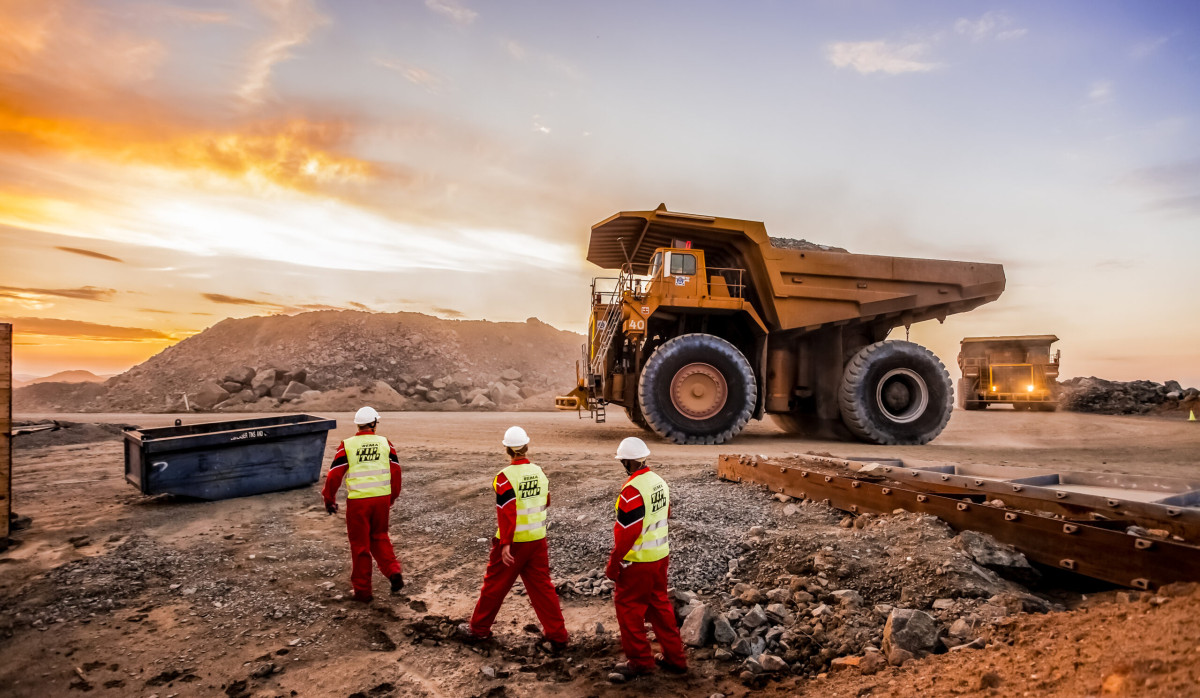
Other Chinese companies are illegally extracting gold, diamonds and rare metals such as niobium, tantalum, stannic oxide and tungsten from the river bed in the DRC under the cover of a ‘prospecting licence,’ promising communities to build schools and dispensaries; promises which are eventually left unfulfilled.
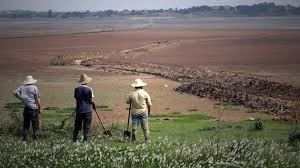
Companies with a prospecting licence are only authorized to search for mineral rich areas. All the samples they extract belong to the state. There must be mining division engineers on board the dredgers that scour the river beds. All these rules are violated with impunity as the Chinese companies exploit and sell the materials. Mercury is used on board the dredgers illegally to separate gold from the ore and the residue neurotoxic metal is thrown overboard. Downstream, people drink the river water, take baths and dishes are washed.
Companies carrying the flag of communist China treat local Congolese workers like beasts. They sleep in flimsy leaf shacks though rules require companies to provide workers in the forests with adequate living quarters, drinking water and health facilities. “Half a cup of rice per day, sleeping on the floor, no mosquito nets, no contracts, no nursing room; are we beasts? We had hoped it would be good for us, good for the community,” a Congolese worker has been quoted in a report in Mongabay, an American news web portal that reports on tropical rainforests.
One estimate says that every year Africa loses billions of dollars due to illegal mining in which Chinese firms are heavily involved. South Kivu Governor Jean Jacques Purusi, has been quoted in Ecofin Agency in a report in December last year that Chinese miners owe $10 million to the provincial government in taxes and fines. These miners had operated in a village without any identification or permits.
In recent years, the DRC authorities have suspended multiple Chinese mining companies for not following mining laws, failing to conduct necessary studies and refusing to engage with local communities. Similar issues have been reported from other African countries like Namibia, Ghana and Nigeria. In Namibia, an investigation has been announced against a Chinese company for allegedly extracting lithium; despite having a permit only for exploration. In the process, the environment and local ancestral sites have been damaged. “Spurred by a flurry of investments from Chinese companies, miners across Africa are forecast to increase production of lithium, more than 30-fold from 2022’s volume by 2027, according to S&P Global Commodity Insights,” says a report by mining.com. The Institute for French International Relations, too, in a report has criticized Chinese companies for not following mining laws in Africa.
Over the years China has become Africa’s largest trading partner and creditor. This gives Beijing the muscle power to have its way in different African countries. Around 20 percent of the exports of sub-Saharan Africa go to China and about 16 percent of Africa’s imports come from China, says a World Economic Forum report. Primary commodities — metal, minerals and fuel — comprise about 60 percent of the exports of Africa to China while Africa typically imports Chinese manufactured goods, electronics and machinery; a typically colonial type of trade.
China is also the largest bilateral creditor of Africa. China’s share in total sub-Saharan African external public debt that was less than two percent in 2005 grew to about 17 percent, $134 billion in 2021. At $5 billion in 2022, the annual Foreign Direct Investment flow from China to Africa has recorded a significant increase.