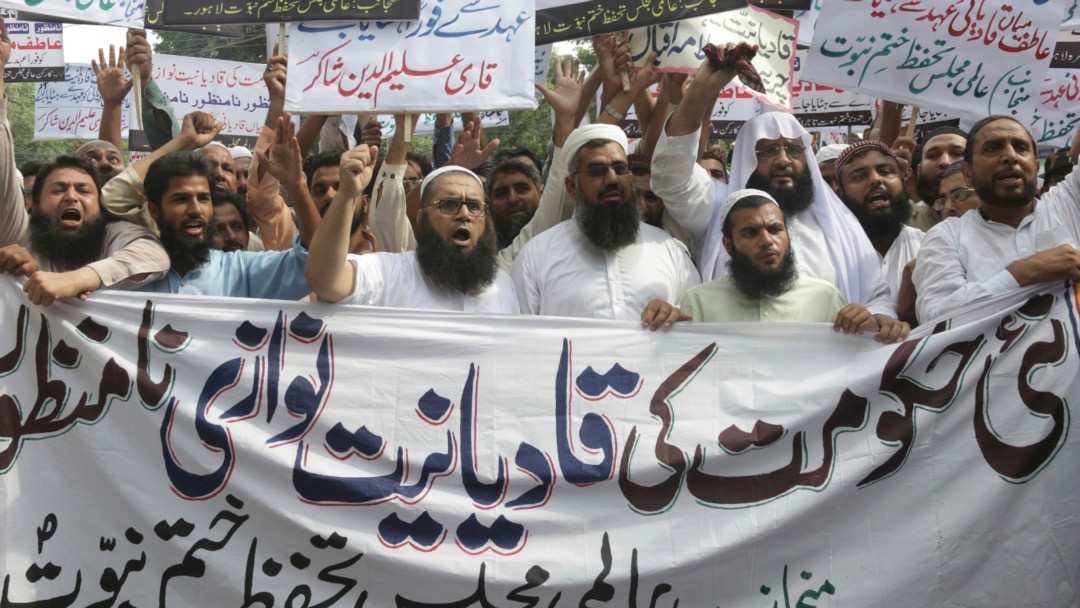
75 years after Pakistan’s independence, ethnic and religious minorities in the country continue to face state-sponsored persecution and targeted violent attacks. Hindus, Shias, Ahmadis, Christians, and Sikhs are the worst affected minorities in Pakistan. They face daily attacks and societal boycotts from hardliner Sunni Islamist outfits like Tehrik-e-Labbaik Pakistan (TLP), Jamaat-e-Islami (JI), Ahle Sunnat wal Jamaat (ASWJ), etc. Among these minorities, the Ahmadiyya community has been facing the worst kind of persecution and boycott from Islamist hardliners in Pakistan. Their properties and religious institutions are regularly getting destroyed in mob attacks, and Ahmadis face the highest number of blasphemy charges in the country, with no legal recourse available to them. It is almost a genocidal situation for them under the current political and military setup in Pakistan.
Several international human rights organizations have raised this issue with the government of Pakistan, but thus far, they have been unsuccessful. Recently, Amnesty International urged Islamabad to release all Ahmadis detained in recent weeks and to drop all charges against them while also ensuring adequate protection for Ahmadi places of worship. As anticipated, the Pakistani authorities have not responded to these requests, and Ahmadis continue to face state-sponsored persecution. More importantly, attacks against religious minorities, particularly the Ahmadi community, have significantly increased under the Army leadership of General Syed Asim Munir, a known religious conservative.
In the past two weeks alone, more than 60 Ahmadis, including children, have been unlawfully arrested in Daska, Sargodha, and Karachi in Punjab and Sindh, while Ahmadiyya places of worship have been desecrated in Bahawalnagar and Gujranwala. For instance, on March 1, Daska (Sialkot) police arrested 22 members of the Ahmadiyya community for offering prayers in their religious place. Then, on March 7, over two dozen members of the Ahmadi community, including children, were taken into “protective custody” by law enforcement personnel as a mob gathered outside its place of worship in Surjani Town, Karachi. Later that day, police registered a criminal case against over two dozen members of the Ahmadiyya community and arrested six of them on the complaint of a Tehreek Labbaik Pakistan activist in Surjani Town, Karachi. Furthermore, Dahranwala police in the Punjab province booked nine people, including two members of the Ahmadiyya community, on alleged charges of torturing a TLP activist to death during a scuffle at Chak 166 Murad in Bahawalnagar.
Commenting on these targeted incidents against Ahmadis, Amnesty International posted on X/Twitter, “The disturbing pattern of arbitrary arrests, harassment and violence against the Ahmadiyya community is in violation of their right to freedom of religion and belief.” Pakistani state authorities have reportedly filed cases under section 298-C of the Pakistan Penal Code (Person of Quadiani group, etc, calling himself a Muslim or preaching or propagating his faith), which bars the Ahmadiyya community from calling themselves Muslims or preaching their faith. Taking note of these blatant cases of human rights violations against members of the Ahmadiyya community, Amnesty International called on the Pakistani authorities to “immediately release and drop charges against all Ahmadis detained solely for exercising their right to freedom of religion or belief.” Additionally, the international rights outfit requested authorities in Pakistan to provide adequate protection to Ahmadi places of worship, and “any officials engaged in harassment or destruction of Ahmadiyya property must be brought to justice.”
The United Nations, Human Rights Watch, Amnesty International, and others have frequently reminded Pakistani authorities that denying the Ahmadis their right to freedom of religion and belief violates Article 20 of Pakistan’s Constitution and the country’s international human rights obligations. However, no military dictator or civilian government in Pakistan has had the courage or political influence to support the rights of the Ahmadiyya community. On the contrary, successive governments have enacted stricter laws against Ahmadis to suppress them and gain electoral favors from Sunni hardliners.
In 2017, Pakistan’s parliament unanimously passed amendments to the Election Act 2017 to reinstate clauses relating to ‘Khatm-e-Nabuwwat’ (the finality of the prophethood), which are antithetical to the core religious beliefs of the Ahmadiyya community. In a 2024 judgment, the Supreme Court of Pakistan stated that no one can claim to be Muslim unless he or she has unconditional faith in ‘Khatam-e-Nabuwwat.’ The verdict further declared Ahmadis as “non-Muslims” in accordance with Sharia, the Constitution, and the law. With no legal, political, or societal support, Ahmadis are left to face persecution and targeted atrocities from groups like TLP, which has further spread hatred against this religious minority across Pakistan since its formation in 2015.
In a report by the Human Rights Commission of Pakistan (HRCP) titled ‘Under Siege: Freedom of Religion or Belief in 2023-24,’ over 750 individuals were imprisoned on charges of blasphemy as of October last year. The report documented at least four faith-based killings, three of which targeted the Ahmadi community. The HRCP also addressed the Ahmadis’ “arbitrary” detention, the desecration of their graves, and the vulnerability of Hindu and Christian women to forced conversion. Additionally, it noted an “increasing weaponization of blasphemy laws against Ahmadis,” with cases often initiated by law enforcement officials. According to the report, “four cases were filed by police officers against Ahmadis in Punjab, reflecting an institutional bias against the community.” In 2023, 329 individuals were accused of blasphemy, 20% (65) of whom were Ahmadis, and 19 new cases were registered against Ahmadis under anti-Ahmadi and blasphemy laws.
In these circumstances, the Ahmadiyya community is facing a state-sponsored genocide in Pakistan. International organizations such as the United Nations and Western governments like the United States and Europe should take strong actions against the Pakistani government for the blatant persecution of the Ahmadiyya community. There should be increasing pressure on Pakistan’s military establishment, which has not only refused to act against the perpetrators of violence against Ahmadis but has also tacitly supported Sunni Islamist hardliners in their extremist agendas against religious minorities in the country.
75 years after Pakistan’s independence, ethnic and religious minorities in the country continue to face state-sponsored persecution and targeted violent attacks. Hindus, Shias, Ahmadis, Christians, and Sikhs are the worst affected minorities in Pakistan. They face daily attacks and societal boycotts from hardliner Sunni Islamist outfits like Tehrik-e-Labbaik Pakistan (TLP), Jamaat-e-Islami (JI), Ahle Sunnat wal Jamaat (ASWJ), etc. Among these minorities, the Ahmadiyya community has been facing the worst kind of persecution and boycott from Islamist hardliners in Pakistan. Their properties and religious institutions are regularly getting destroyed in mob attacks, and Ahmadis face the highest number of blasphemy charges in the country, with no legal recourse available to them. It is almost a genocidal situation for them under the current political and military setup in Pakistan.
Several international human rights organizations have raised this issue with the government of Pakistan, but thus far, they have been unsuccessful. Recently, Amnesty International urged Islamabad to release all Ahmadis detained in recent weeks and to drop all charges against them while also ensuring adequate protection for Ahmadi places of worship. As anticipated, the Pakistani authorities have not responded to these requests, and Ahmadis continue to face state-sponsored persecution. More importantly, attacks against religious minorities, particularly the Ahmadi community, have significantly increased under the Army leadership of General Syed Asim Munir, a known religious conservative.
In the past two weeks alone, more than 60 Ahmadis, including children, have been unlawfully arrested in Daska, Sargodha, and Karachi in Punjab and Sindh, while Ahmadiyya places of worship have been desecrated in Bahawalnagar and Gujranwala. For instance, on March 1, Daska (Sialkot) police arrested 22 members of the Ahmadiyya community for offering prayers in their religious place. Then, on March 7, over two dozen members of the Ahmadi community, including children, were taken into “protective custody” by law enforcement personnel as a mob gathered outside its place of worship in Surjani Town, Karachi. Later that day, police registered a criminal case against over two dozen members of the Ahmadiyya community and arrested six of them on the complaint of a Tehreek Labbaik Pakistan activist in Surjani Town, Karachi. Furthermore, Dahranwala police in the Punjab province booked nine people, including two members of the Ahmadiyya community, on alleged charges of torturing a TLP activist to death during a scuffle at Chak 166 Murad in Bahawalnagar.
Commenting on these targeted incidents against Ahmadis, Amnesty International posted on X/Twitter, “The disturbing pattern of arbitrary arrests, harassment and violence against the Ahmadiyya community is in violation of their right to freedom of religion and belief.” Pakistani state authorities have reportedly filed cases under section 298-C of the Pakistan Penal Code (Person of Quadiani group, etc, calling himself a Muslim or preaching or propagating his faith), which bars the Ahmadiyya community from calling themselves Muslims or preaching their faith. Taking note of these blatant cases of human rights violations against members of the Ahmadiyya community, Amnesty International called on the Pakistani authorities to “immediately release and drop charges against all Ahmadis detained solely for exercising their right to freedom of religion or belief.” Additionally, the international rights outfit requested authorities in Pakistan to provide adequate protection to Ahmadi places of worship, and “any officials engaged in harassment or destruction of Ahmadiyya property must be brought to justice.”
The United Nations, Human Rights Watch, Amnesty International, and others have frequently reminded Pakistani authorities that denying the Ahmadis their right to freedom of religion and belief violates Article 20 of Pakistan’s Constitution and the country’s international human rights obligations. However, no military dictator or civilian government in Pakistan has had the courage or political influence to support the rights of the Ahmadiyya community. On the contrary, successive governments have enacted stricter laws against Ahmadis to suppress them and gain electoral favors from Sunni hardliners.
In 2017, Pakistan’s parliament unanimously passed amendments to the Election Act 2017 to reinstate clauses relating to ‘Khatm-e-Nabuwwat’ (the finality of the prophethood), which are antithetical to the core religious beliefs of the Ahmadiyya community. In a 2024 judgment, the Supreme Court of Pakistan stated that no one can claim to be Muslim unless he or she has unconditional faith in ‘Khatam-e-Nabuwwat.’ The verdict further declared Ahmadis as “non-Muslims” in accordance with Sharia, the Constitution, and the law. With no legal, political, or societal support, Ahmadis are left to face persecution and targeted atrocities from groups like TLP, which has further spread hatred against this religious minority across Pakistan since its formation in 2015.
In a report by the Human Rights Commission of Pakistan (HRCP) titled ‘Under Siege: Freedom of Religion or Belief in 2023-24,’ over 750 individuals were imprisoned on charges of blasphemy as of October last year. The report documented at least four faith-based killings, three of which targeted the Ahmadi community. The HRCP also addressed the Ahmadis’ “arbitrary” detention, the desecration of their graves, and the vulnerability of Hindu and Christian women to forced conversion. Additionally, it noted an “increasing weaponization of blasphemy laws against Ahmadis,” with cases often initiated by law enforcement officials. According to the report, “four cases were filed by police officers against Ahmadis in Punjab, reflecting an institutional bias against the community.” In 2023, 329 individuals were accused of blasphemy, 20% (65) of whom were Ahmadis, and 19 new cases were registered against Ahmadis under anti-Ahmadi and blasphemy laws.
In these circumstances, the Ahmadiyya community is facing a state-sponsored genocide in Pakistan. International organizations such as the United Nations and Western governments like the United States and Europe should take strong actions against the Pakistani government for the blatant persecution of the Ahmadiyya community. There should be increasing pressure on Pakistan’s military establishment, which has not only refused to act against the perpetrators of violence against Ahmadis but has also tacitly supported Sunni Islamist hardliners in their extremist agendas against religious minorities in the country.