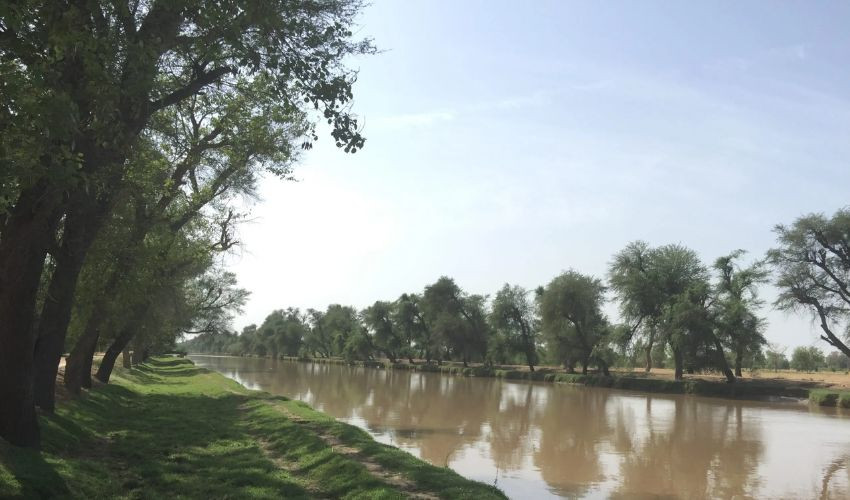
The inauguration of the Cholistan Canal Project on February 15, 2025, by Punjab Chief Minister Maryam Nawaz and Chief of Army Staff Gen Asim Munir has reignited tensions over water rights and deepened existing concerns about provincial inequality in Pakistan. The project, which intends to divert 20,000 cusecs of water from the Indus River to irrigate 1.2 million acres in southern Punjab, has been criticized by stakeholders in Sindh who warn that it could further deplete the water supply downstream—an issue they claim threatens their agriculture, economy, and long-term survival.
Pakistan was founded in 1947 with the promise of equal opportunity for all its provinces, but critics argue that this ideal remains unrealized. Over the decades, a pattern has emerged where Punjab—home to 44% of the population—has maintained a dominant grip on political, military, and economic power. This concentration of influence, rooted in colonial-era preferences for Punjabi recruitment into civil and military service, has only grown stronger post-independence. Punjab now contributes the majority share to Pakistan’s GDP and benefits from superior infrastructure, industry, and access to federal resources—advantages not equally extended to other provinces.
In contrast, provinces like Balochistan, despite being rich in natural resources such as gold, copper, and natural gas, remain underdeveloped. The province continues to suffer from low human development indicators and lack of access to basic services. Local communities see little return from projects like Saindak, Reko Diq, and the Sui gas fields, which have contributed billions to the national economy. Meanwhile, widespread poverty and grievances persist, and efforts to raise concerns have often been met with military responses instead of inclusive development. Numerous human rights reports have documented cases of enforced disappearances and extrajudicial killings in Balochistan.
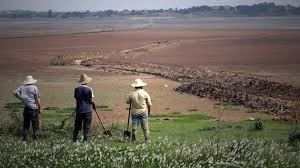
Sindh, the second-most populous province and a vital contributor to Pakistan’s agricultural output, faces acute water shortages. The upstream construction of dams and canals has severely reduced water flow, causing salinity issues and ruining thousands of acres of arable land. The Water Apportionment Accord of 1991 was established to ensure fair allocation among provinces, yet Sindh has consistently reported receiving less than its agreed share. Civil society groups and local farmers argue that their livelihoods are under threat, and recent protests have highlighted growing frustration. In addition, Sindhis allege that demographic shifts—particularly in Karachi—are being engineered to dilute local political representation and cultural identity.
In Khyber Pakhtunkhwa (KPK), years of conflict and counter-terrorism operations have left behind destroyed infrastructure, displaced populations, and limited development. Despite its sacrifices during the War on Terror, KPK continues to lag behind in literacy, healthcare, and economic opportunities. Federal projects often prioritize Punjab over KPK, and initiatives within the province face delays or cancellations. The emergence of the Pashtun Tahafuz Movement (PTM) reflected mounting dissatisfaction with how Pashtuns perceive their treatment by the state—highlighting concerns such as profiling, lack of political inclusion, and economic neglect.
Gilgit-Baltistan remains in a state of constitutional ambiguity. Not formally recognized as a province, its residents lack full political representation and access to national policymaking. Despite being a strategic corridor for the China-Pakistan Economic Corridor (CPEC), local communities in Gilgit-Baltistan say they are excluded from decision-making processes. In areas like Shigar, villages still lack basic infrastructure, and public services are minimal. The 1963 transfer of the Shaksgam Valley to China without local consent remains a source of resentment and a symbol of how peripheral regions are sidelined in national policies.
While the Indus River is a lifeline for over half of Pakistan’s rural population, its management has increasingly favored upstream regions. New dam and canal projects disproportionately benefit Punjab, while downstream communities struggle with water scarcity, salinity, and agricultural loss. Experts have noted that these decisions often reflect the interests of large landowners and politically influential groups, rather than serving national equity or sustainability.
CPEC, Pakistan’s flagship economic initiative, has similarly drawn criticism for bypassing local communities in favor of central interests. In Gwadar, fishermen have lost access to traditional fishing zones. In KPK and Balochistan, security restrictions around Chinese development projects limit local movement and participation. In Gilgit-Baltistan, environmental and social concerns about dam construction have received little attention. The economic dividends, critics argue, flow primarily to foreign contractors and central authorities rather than the people who live in these regions.
Efforts to correct the imbalance have seen some progress, such as the 18th Constitutional Amendment, which devolved more powers to provinces. However, implementation has been slow and uneven. Federal institutions continue to wield significant authority over development planning and resource distribution. The Council of Common Interests, which is meant to resolve such disputes, has not proven effective in countering Punjab’s dominance or building trust among provinces.
The Cholistan Canal Project is not an isolated issue but a flashpoint in a broader conversation about fairness, representation, and the future of Pakistan’s federal structure. While development is essential, it must be inclusive and participatory to ensure long-term national unity. Without addressing these concerns, grievances among Pakistan’s marginalized provinces may deepen—risking not only unrest but also the cohesion of the nation itself.