
The recent massacre of 26 tourists in Pahalgam, Jammu and Kashmir, has once again exposed the brutal face of Pakistan’s proxy war in the region. Eyewitnesses recounted how gunmen, speaking in Pakistani Punjabi, singled out victims based on their religion before executing them at point-blank range. The Resistance Front (TRF), a shadowy outfit linked to Lashkar-e-Taiba (LeT), claimed responsibility for the attack. Authorities have identified two of the three militants involved as Pakistani nationals.
This incident is not isolated. TRF, essentially a rebranded version of LeT, has been instrumental in carrying out attacks in Kashmir while attempting to mask its Islamist roots under a secular guise. This strategy mirrors that of Jaish-e-Mohammed (JeM), which has rebranded itself as the People's Anti-Fascist Front (PAFF).
The ideological underpinnings of such groups are reinforced by figures like Maulana Talha Al Saif, brother of JeM chief Masood Azhar, who has been vocal in advocating for jihad in Kashmir . Moreover, Chaudhry Anwarul Haq, the so-called Prime Minister of Pakistan-occupied Jammu and Kashmir (PoJK), has openly called for using PoJK as a "base camp" for the so-called Kashmir freedom struggle.
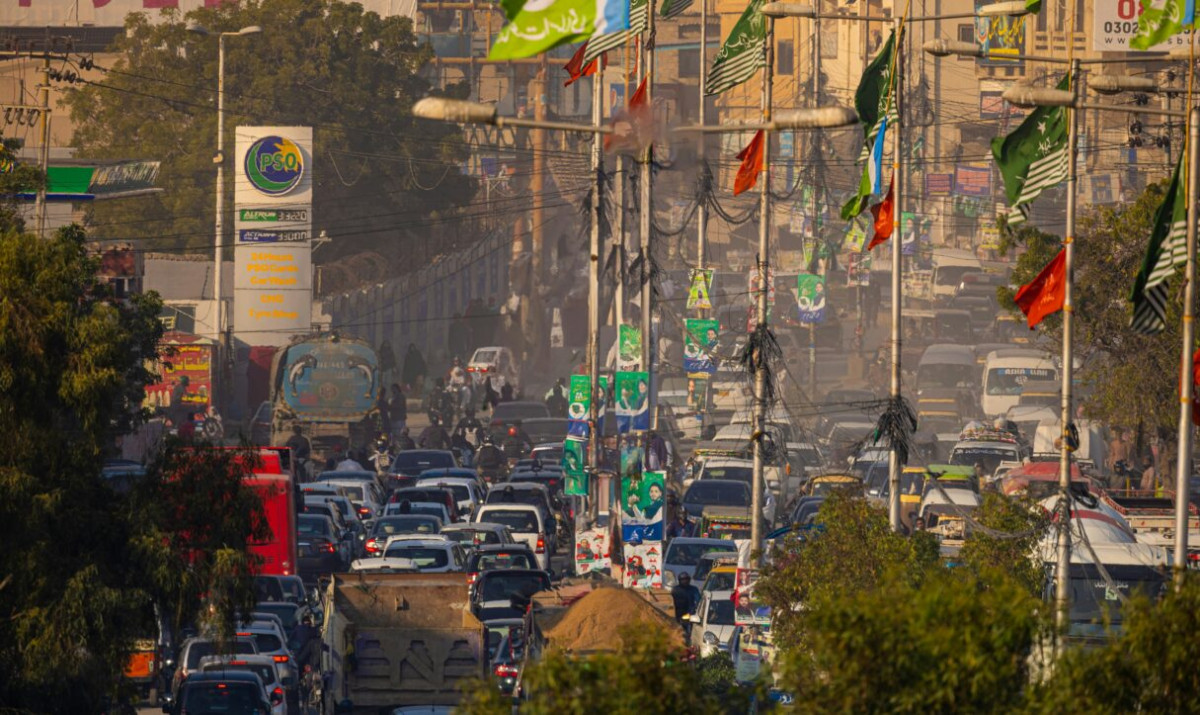
While Pakistan continues to support cross-border terrorism, it faces mounting internal challenges. The economy is in shambles, with high inflation, trade deficits, and debt crippling the nation . Simultaneously, the country grapples with security threats from Baloch and Pashtun insurgents. Recent attacks in Balochistan and Khyber Pakhtunkhwa have underscored the volatility within Pakistan's borders.
Groups like Tehrik-i-Taliban Pakistan (TTP) and the Islamic State Khorasan Province (ISKP) have turned against their former patron, conducting deadly attacks within Pakistan. The western border remains disturbed, casting a huge dent on the image of the Pakistani army.
General Asim Munir, who was the ISI chief during the Pulwama attack in 2019, is now reviving the escalation against India. Pakistan's attempts to label the Pahalgam attack as a false flag operation are seen as efforts to manipulate international opinion.
Given these developments, there is a pressing need for strong international condemnation and resolute action against Pakistan's continued support for terrorism. The global community must recognize and address the duplicity in Pakistan's approach to terrorism, both within and beyond its borders.
IMAGE: AI GENERATED