Pakistan has witnessed an unhealthy amount of food imports in the recent months due to lower domestic crop output, higher production costs and structural and policy weaknesses. The growing food imports, however, have put a strain on Pakistan’s depleting foreign reserves, which are set to negatively impact its economy in the long term.
Pakistan’s Planning Commission had already warned of increased food imports due to a reduction of 13.5 percent in the major food crop output. Pakistan imported food items worth USD 7 billion during July 2024-April 2025, which was higher than that during the corresponding period in the previous year. On the contrary, food exports from Pakistan declined this year.
Pakistan is facing problems in meeting the domestic demand for essential food commodities. Edible oils topped the list of imported items. Soy bean oil imports increased by 140 percent while Palm oil by 25 percent this year. Pulses, lentils and even basic food like milk and cream for infants were among the imported food items.
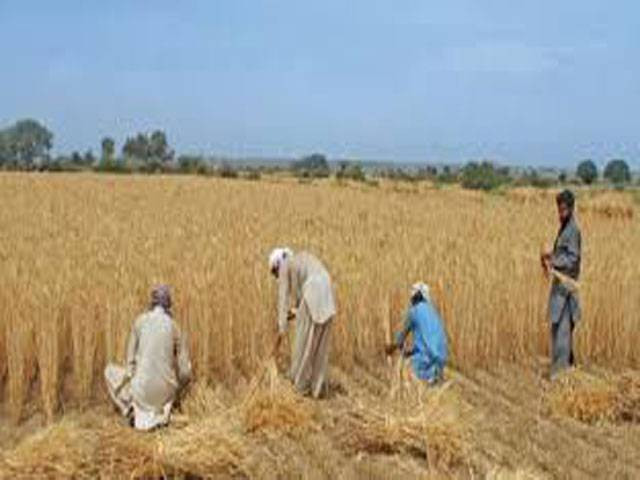
Interestingly, the agriculture sector is called the backbone of Pakistan's economy. But it is now under huge distress. Moreover, Pakistan used to be a wheat-exporting country. However, it has been importing wheat for the past few years. Urgent wheat imports were required to protect the country from a grave food crisis, said Mian Zahid Hussain, Chairman of the Federation of Pakistan Chambers of Commerce & Industry’s (FPCII) Policy Advisory Board.
Hina Ayra, a trade facilitation expert working with the Islamabad government, presented alarming future projections for Pakistan amid a severe food crisis and economic instability. “Food shortages significantly influence inflation and economic stability. As agricultural output diminishes, Pakistan will be compelled to depend on costly food imports, which will exacerbate the trade deficit and further weaken the local currency,” she said.
Agriculture was called the "saviour" of Pakistan's economy, but the country now stares at food security, said Daud Khan, former UN official and Oxford Scholar, and Ghasharib Shoukat, the Head of Product at Pakistan Agriculture Research. “Reduced agricultural output hurts the entire economy: fewer exports mean less foreign exchange; smaller wheat harvests mean higher food prices; and rural hardship translates into more pressure on social services and increased rural to urban migration,” they wrote.
Even though Pakistan has imported food commodities on a large scale, millions of people remain vulnerable to an inadequate diet. In its latest report, the World Bank said nearly 10 million people, mostly in rural areas, are at risk of high levels of acute food insecurity in 2025. This year, imports are expected to cross 3 million tonnes. This put a tremendous burden on Pakistan’s exchequer as its foreign reserves are below USD 9 billion and an increase has been seen in the international wheat price, freight rates and dollar appreciation.
The problem of food insecurity in Pakistan continued to aggravate in recent years, for which costly imports are one major responsible factor, said Azizullah Noondani, a professor at Sindh Agriculture University. “High inflation rates and currency depreciation have increased the cost of essential food items, making them unaffordable for a significant portion of the population. Supply chain disruptions and reliance on food imports have also contributed to food price volatility,” he said. “As a result, the rising cost of imports directly contributes to inflation, making basic food items unaffordable for millions of Pakistanis.”
Noondani said the import-driven food security approach undertaken by Islamabad led to a spike in food inflation, thus hurting common households and the economy. “Despite its strong agricultural base, Pakistan's growing dependence on food imports has placed a significant burden on the economy. This increasing reliance on foreign markets depletes foreign exchange reserves and exposes the economy to global supply chain disruptions and price volatility,” he said.
Policy missteps and mismanagement by the Islamabad government are said to have worsened the situation. Even the Planning Commission held “flawed” government policies for a reduction in crop production, which necessitated expensive food imports. “A lack of coherent policy planning, coupled with inefficiency and corruption, has resulted in the failure to implement long-term solutions for food security,” said Sindh-based educator Assadullah Channa.
Khalid Wattoo, a development professional and Dr Waqar Ahmad, a former Associate Professor at the Faisalabad-based University of Agriculture, blamed the Islamabad government’s failure to implement an effective import substitution plan for agricultural commodities in which Pakistan held a comparative advantage. “The persistent lack of strategic planning and a weak government investment and development strategy to strengthen agro-processing has stunted the agriculture sector,” they said.