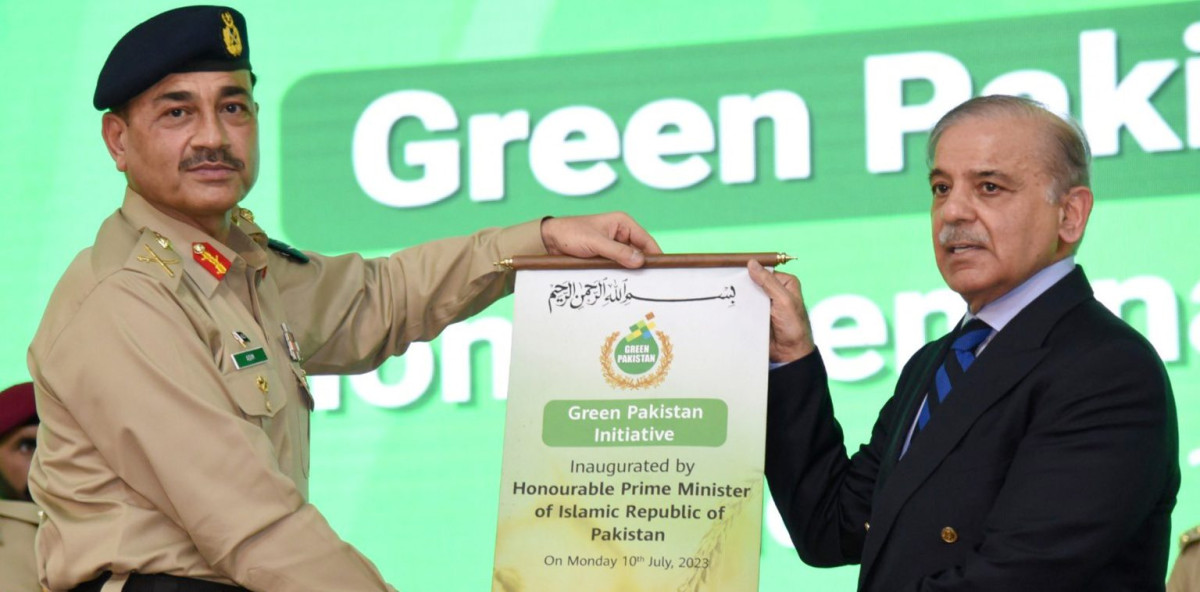
Pakistan’s Green Pakistan Initiative, a large-scale corporate farming project led by the military, has sparked widespread opposition, leading to protests in various regions. While the initiative aims to modernize agriculture and attract investment, critics argue that it may displace small farmers, strain water resources, and lead to ecological challenges.
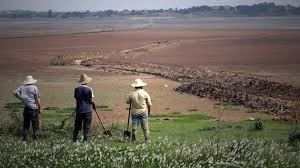
Protests have taken place in Punjab and Sindh, where significant tracts of land have been allocated for corporate farming. Farmers and activists fear that the transition to large-scale agribusinesses may threaten small landowners and limit their access to crucial agricultural resources. “Corporate farming poses a serious challenge to small farmers,” said Farooq Tariq, General Secretary of the Pakistan Kissan Rabita Committee (PKRC). He argued that rather than focusing on corporate farming, the government should implement land reforms and equip small farmers with modern agricultural tools to enhance productivity.
Farmers in Punjab and Sindh have taken to the streets, voicing their concerns over land distribution policies. A recent rally in Sindh saw widespread participation from farming communities, including women and children, who demanded that instead of allocating farmland to corporations, the government should support local farmers. “We need government assistance in accessing modern agricultural equipment and irrigation systems rather than shifting control of farmland to corporations,” said one protester.
In Lahore, a group of farmers has initiated legal proceedings against what they describe as military-led corporate farming projects that could negatively impact their livelihoods. “We are concerned that these policies may favor corporate interests at the expense of small farmers,” one petitioner stated. Legal challenges continue to emerge as affected communities seek judicial intervention.
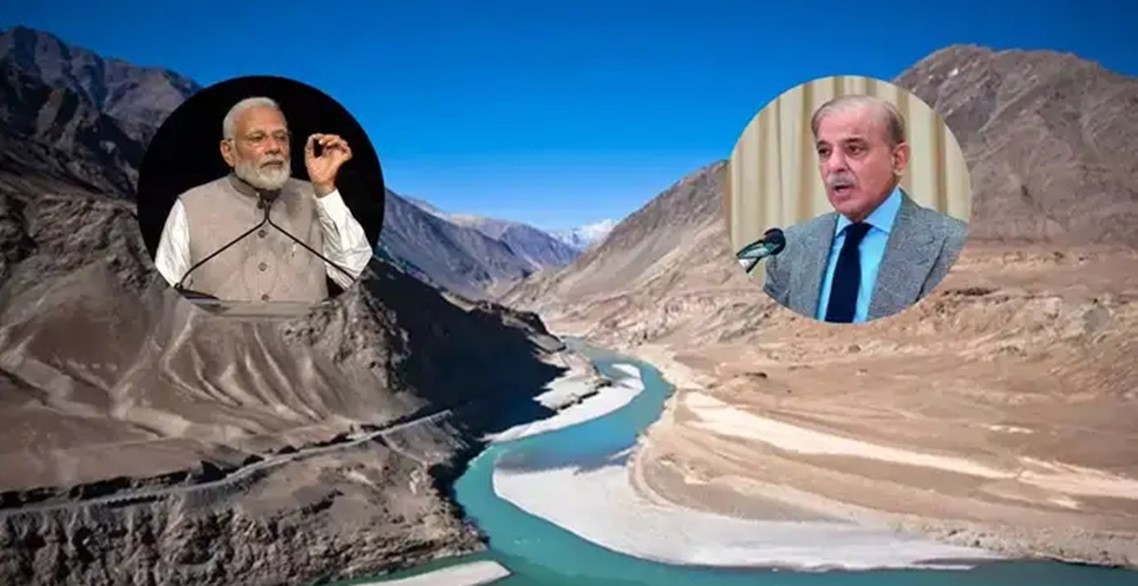
A significant concern among environmentalists and irrigation experts is the construction of six new canals along the Indus River to facilitate corporate farming. Experts warn that large-scale irrigation projects could exacerbate Pakistan’s already precarious water situation. “The expansion of irrigation canals without a comprehensive environmental impact assessment could disrupt ecological balance and worsen water scarcity,” said Saqib Hussain Mugheri, a researcher from the National Institute of Pakistan Studies. Critics argue that diverting water resources to corporate farms could marginalize small-scale farmers who already face challenges in accessing irrigation.
A 2021 United Nations report identified Pakistani military-led business ventures as the “largest conglomerate in Pakistan,” with an extensive presence in multiple sectors. Protesters have expressed their opposition to the military’s increasing involvement in agriculture, with calls to halt new canal construction. “The construction of these canals will not benefit local farmers and will instead prioritize corporate agribusiness,” said a protest leader in Sindh.
Environmental activists have also raised alarms over the potential long-term effects of corporate farming, arguing that the initiative may accelerate deforestation and climate change. “Deforestation and excessive irrigation for corporate farming could lead to land degradation and increased carbon emissions,” stated an environmental activist during a recent panel discussion. These concerns align with global debates on sustainable agriculture, where critics argue that corporate farming models often prioritize export-driven profits over local food security.
Political groups have joined the debate, with some parties extending support to protesting farmers. Noor Ahmed Katiar, leader of the Sindh-based Awami Tehreek party, warned of potential socio-economic repercussions of large-scale irrigation projects. “A network of new canals has been planned to supply water to corporate farms, but this could create long-term challenges for Sindh’s agricultural sector,” he stated.
While proponents of the Green Pakistan Initiative argue that corporate farming could increase agricultural efficiency and attract foreign investment, experts caution that the model may not address key issues such as rural poverty. “The idea of external investors using finite land and scarce water resources to grow crops for export, while Pakistan faces food insecurity, remains a contentious issue,” said analyst Syed Muhammad Ali. He emphasized that corporate farming must be carefully regulated to ensure it benefits all stakeholders rather than disproportionately favoring agribusinesses.
Agriculture remains a crucial sector for Pakistan, employing approximately 37% of the population and directly or indirectly supporting nearly 70% of households. Critics argue that corporate farming, while potentially reducing input costs and increasing output, may pose risks to small and medium-scale farmers, who make up the majority of the country’s agricultural workforce. “If large agribusinesses dominate the market, small farmers could struggle to compete,” noted researcher Aliyan Nawaz.
Observers have pointed out that the military’s involvement in economic ventures, including agriculture, has historically sparked debate. “The military’s commercial activities are well-documented, and its entry into agriculture raises questions about resource allocation and governance,” said Aasim Sajjad Akhtar, associate professor of political economy at Quaid-i-Azam University. He suggested that transparency and stakeholder engagement are essential to ensuring that corporate farming policies do not disproportionately impact vulnerable populations.
As opposition to the Green Pakistan Initiative continues, the debate highlights broader concerns about land ownership, environmental sustainability, and economic policies. While modernization of agriculture is a stated goal, critics stress the need for safeguards that protect small farmers and prevent long-term environmental degradation. The future of the initiative will likely depend on how policymakers address these concerns while balancing economic growth with social and environmental responsibility.