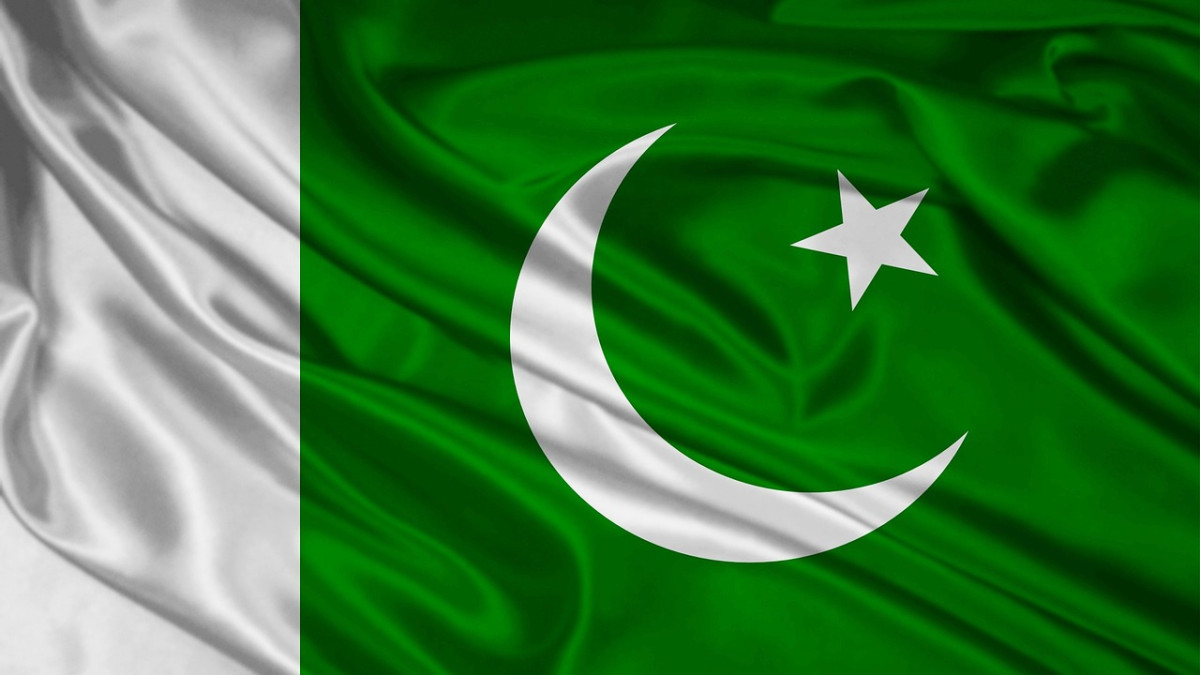
The European Parliament’s recent decision to extend Pakistan’s Generalized Scheme of Preferences Plus (GSP+) status until 2027 has raised serious questions about the EU’s commitment to upholding human rights standards. With 561 Members of the European Parliament voting in favor of the extension, the decision appears to ignore the legitimate concerns raised by several North European countries, Greece, and Cyprus regarding Pakistan’s troubling relationship with Turkey.
The Italian Ministry of Foreign Affairs recently informed Pakistan’s Ambassador in Rome that these nations were “negatively inclined” toward renewing Pakistan’s GSP+ status specifically due to Islamabad’s increasingly close ties with Ankara. This revelation exposes the geopolitical undercurrents that threaten to undermine the integrity of the GSP+ program.
Other than Italy, several other EU officials have conveyed Pakistan to not take the GSP+ status for granted.
Despite Pakistan’s continued and systematic violations of the very conventions it is obligated to uphold under GSP+, the country continues to reap substantial economic benefits while failing to deliver on its commitments.
Since receiving GSP+ status in 2013, Pakistan’s exports to the EU have skyrocketed from 3.56 billion Euros to 6.64 billion Euros by 2021. The textile sector alone witnessed a staggering 150% increase. Yet during this same period, Pakistan’s human rights record has deteriorated dramatically, making a mockery of the 27 international conventions the country is supposedly committed to implementing.
The state-sanctioned persecution of religious minorities in Pakistan has continued unabated. The Ahmadiyya community, officially declared non-Muslims in 1974, face legally sanctioned discrimination. They cannot refer to themselves as Muslims or call their places of worship mosques without risking criminal charges. As per Human Rights Commission of Pakistan says at least 34 attacks on Ahmadi religious sites have taken place in 2024.
The contradiction between Pakistan’s GSP+ obligations and its ground realities was further highlighted by a recent outbreak of sectarian violence that claimed at least 82 lives in 2024. The bloodshed erupted when gunmen attacked convoys of Shiite Muslims traveling under police escort, triggering retaliatory attacks against Sunni residents and escalating into days of deadly gunfights between both communities.
Pakistan’s security establishment continues to brutally suppress ethnic minorities and political dissidents. The Baloch people face enforced disappearances, extrajudicial killings, and systematic torture. According to the Paank annual report, in 2022 alone, the Pakistani Army forcibly disappeared 629 people, extrajudicially killed 195, and tortured 187 individuals in Balochistan. Similarly, Pashtun rights activists are regularly arrested on charges of sedition simply for demanding basic human rights.
Child labor remains endemic across Pakistan, particularly in rural areas. The United States Department of Labor has noted that Pakistan made only “minimal advancement” in eliminating the worst forms of child labor in 2021. Even Pakistan’s National Commission on the Rights of Child admits that “we are witnessing an increase in the rates of child rights violation cases across all sectors.”
Pakistan’s environmental record is equally troubling. The government openly violates the Convention on Biological Diversity by officially promoting trophy hunting in the illegally occupied territory of Gilgit-Baltistan. Moreover, Pakistan remains a major trafficker and processor of illicit drugs, with substantial evidence suggesting that drug money fuels terrorism in the region.
The concerns raised by North European countries and others regarding Pakistan’s close relationship with Turkey should be seen in this broader context of non-compliance. Turkey’s own democratic backsliding under President Erdogan and its controversial foreign policy positions have created legitimate concerns about the strategic alignment of these two nations with questionable human rights records.
The Italian Ministry’s recommendation that Pakistan should prioritize engagement with EU institutions and demonstrate “tangible progress” on international conventions through direct dialogue underscores the gap between Pakistan’s commitments and its actions. The upcoming visit by an EEAS and EU Commission team to Islamabad will likely be another exercise in diplomatic theater, with Pakistan making empty promises it has no intention of keeping.
By renewing Pakistan’s GSP+ status despite its abysmal track record, the EU undermines its own credibility as a defender of human rights and good governance. It sends a dangerous message that economic interests trump human rights concerns, and that countries can violate their international obligations with impunity.
If the EU truly values the principles enshrined in the 27 conventions that form the basis of GSP+, it must develop more rigorous monitoring mechanisms and be prepared to withdraw preferences from countries that systematically violate these standards. Otherwise, the GSP+ scheme risks becoming a cynical charade that rewards human rights abusers with preferential trade access while ignoring the suffering of minorities and vulnerable populations.
Pakistan’s GSP+ extension represents a missed opportunity for the EU to stand firm on its principles and demand meaningful change. The concerns raised by North European countries and others should have been given greater weight in the final decision. Instead, Pakistan continues to enjoy the economic benefits of GSP+ while its power elite remain emboldened to continue their familiar policies of minority oppression and ethno-racial abuse.